Blog / IML Guide
Technical articles on in-mould labelling: cycle, cavities, static charging, robot selection and interface standards.

 Featured· 1 min read
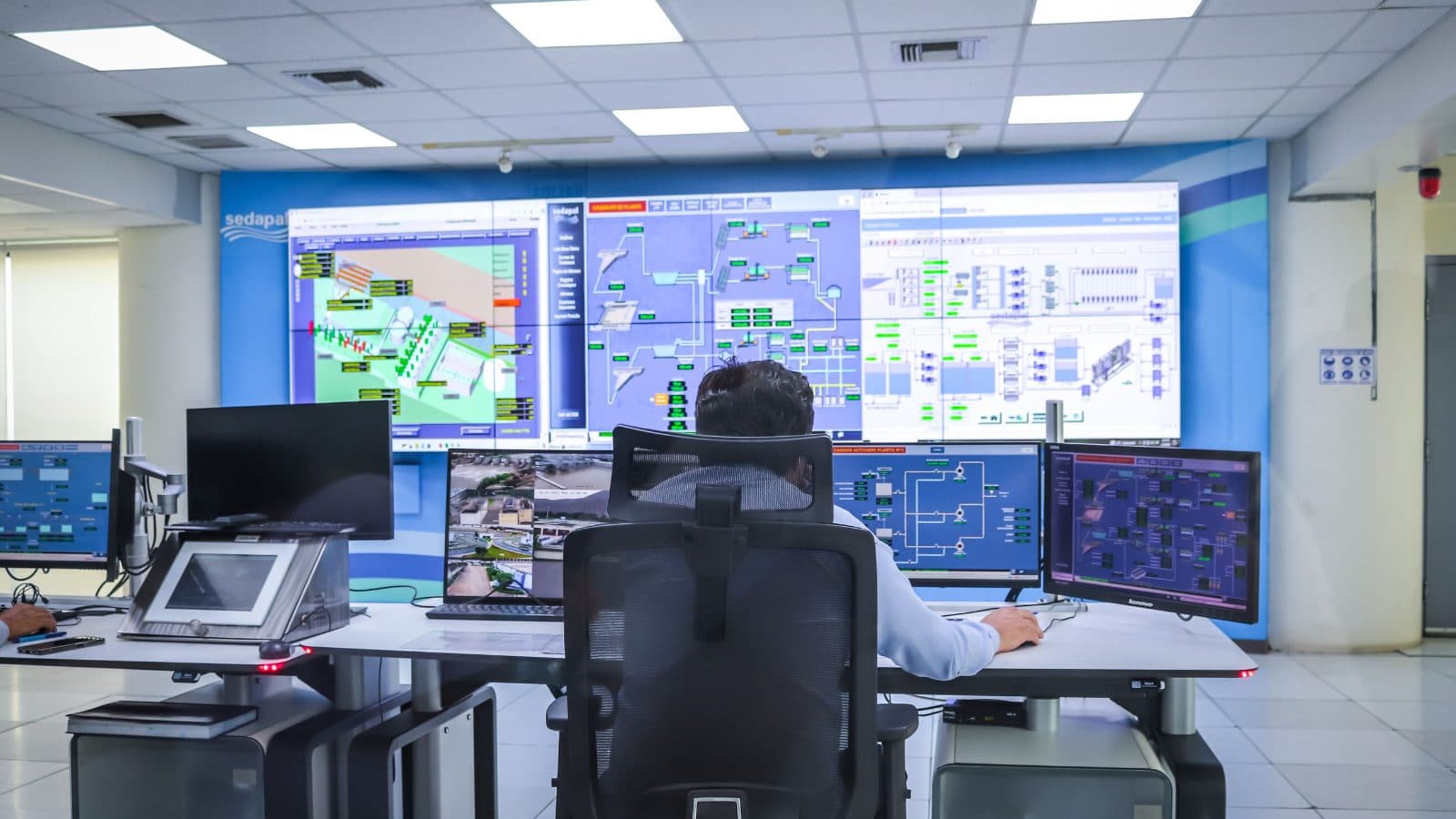
10 questions to ask when choosing an IML robot
The questions to ask when comparing quotes, from intervention time to spare-part distance.
Continue reading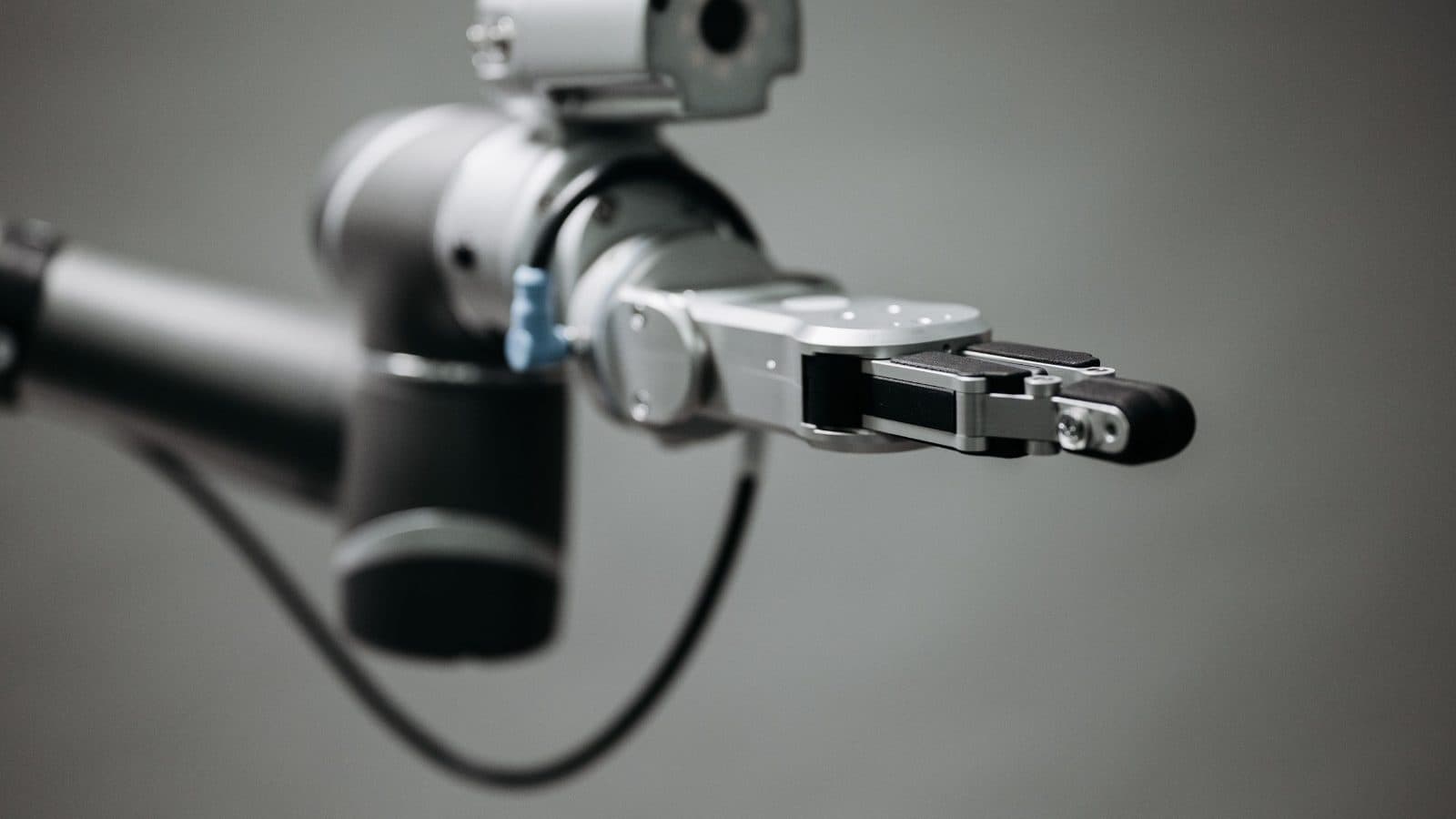 · 1 min read
Side entry or top entry?
A comparison of the two robot architectures in terms of intervention time, ceiling height, cavity count and cost.
Continue reading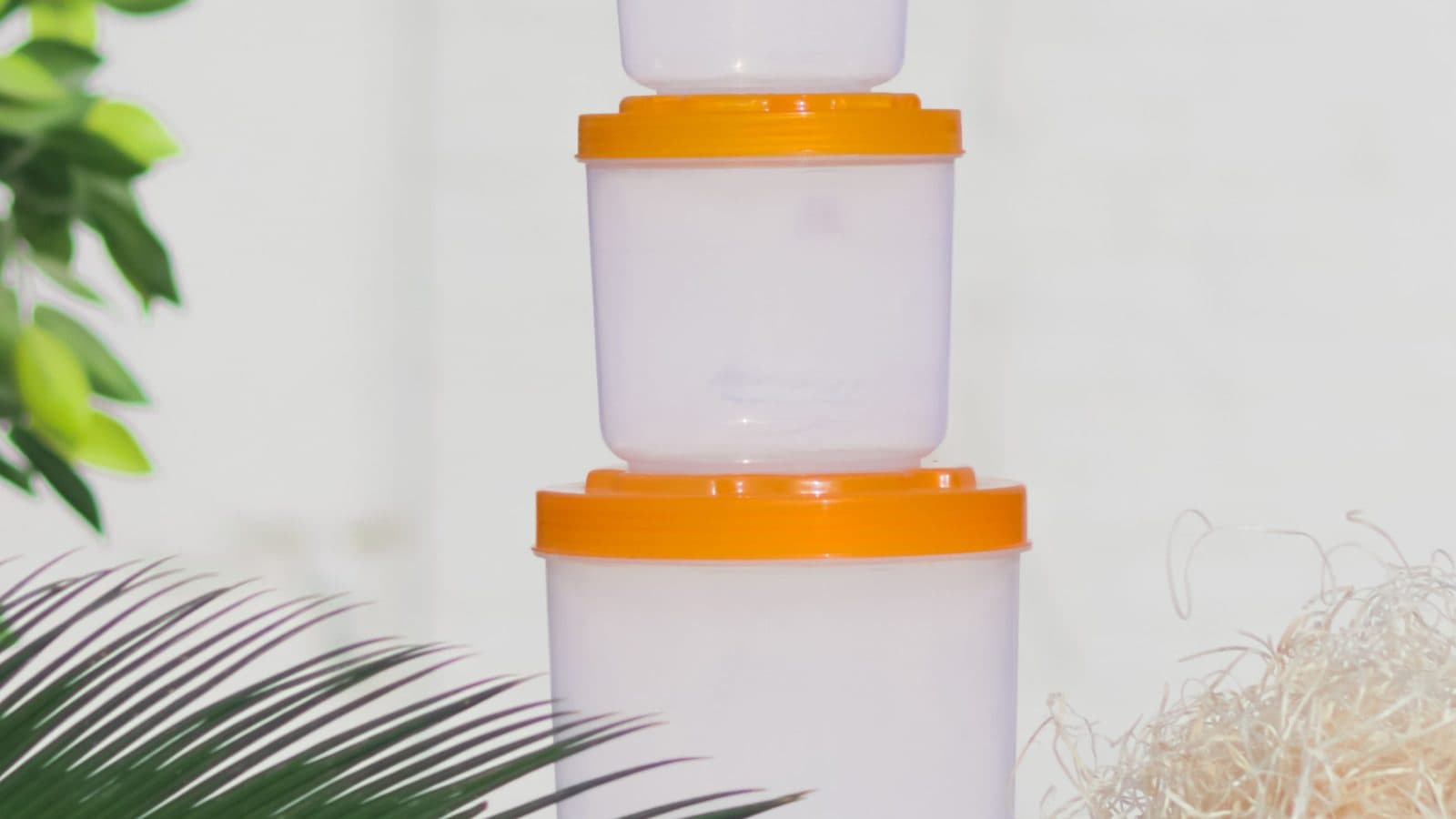 Featured· 1 min read
What is IML? A guide to in-mould labelling
The process where the label is placed in the mould and fused with the molten plastic; steps, advantages and which products it suits.
Continue reading
Frequently asked questions about IML
The label is part of the product: it does not scratch, wash off or peel; no separate labelling line or adhesive is needed; being the same material as the container it recycles easily.
Mostly 50–80 µm PP; PE and PET based, metallic, holographic and embossed labels are also used by adjusting the static charging profile.
16 with the SE-450 and 2×8 on stack moulds with the SE-Twin.
The generator runs at low current in an interlocked cabinet with a discharge circuit; high voltage is cut when the operator opens a door. The CE declaration covers this circuit.
Poll
What do you think?
Which criterion matters most to you when choosing an IML robot?
Single choice; results are shown after voting.
Describe your application; we get back within 48 hours with a preliminary quote and application analysis.
Your container, label and mould details are enough. You can also run a trial with your own mould at the İkitelli test centre.