What is IML? A guide to in-mould labelling
The process where the label is placed in the mould and fused with the molten plastic; steps, advantages and which products it suits.
In-mould labelling (IML) is the placement of a pre-printed plastic label on the cavity wall of an injection mould, where the molten plastic fuses to its back and the label becomes part of the product. Unlike a label applied afterwards, it does not scratch, wash off or need a separate labelling line.
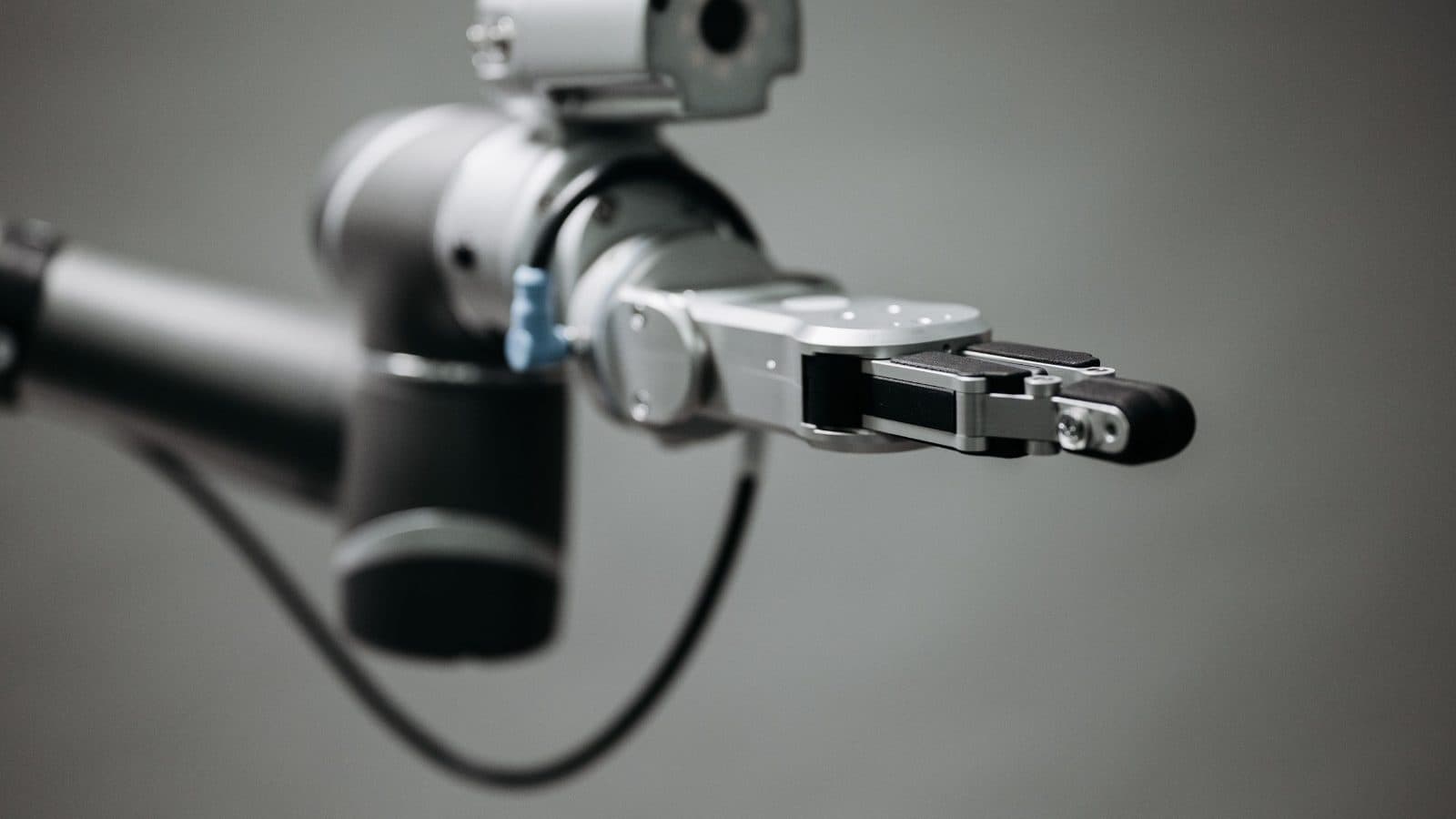
An IML cycle has six steps: picking the label from the magazine, charging it electrostatically, the robot entering the mould, taking the finished part, placing the new label on the cavity wall and stacking the part on the conveyor. All of this must be completed in under a second while the mould stays open; the robot's intervention time therefore determines the cycle.
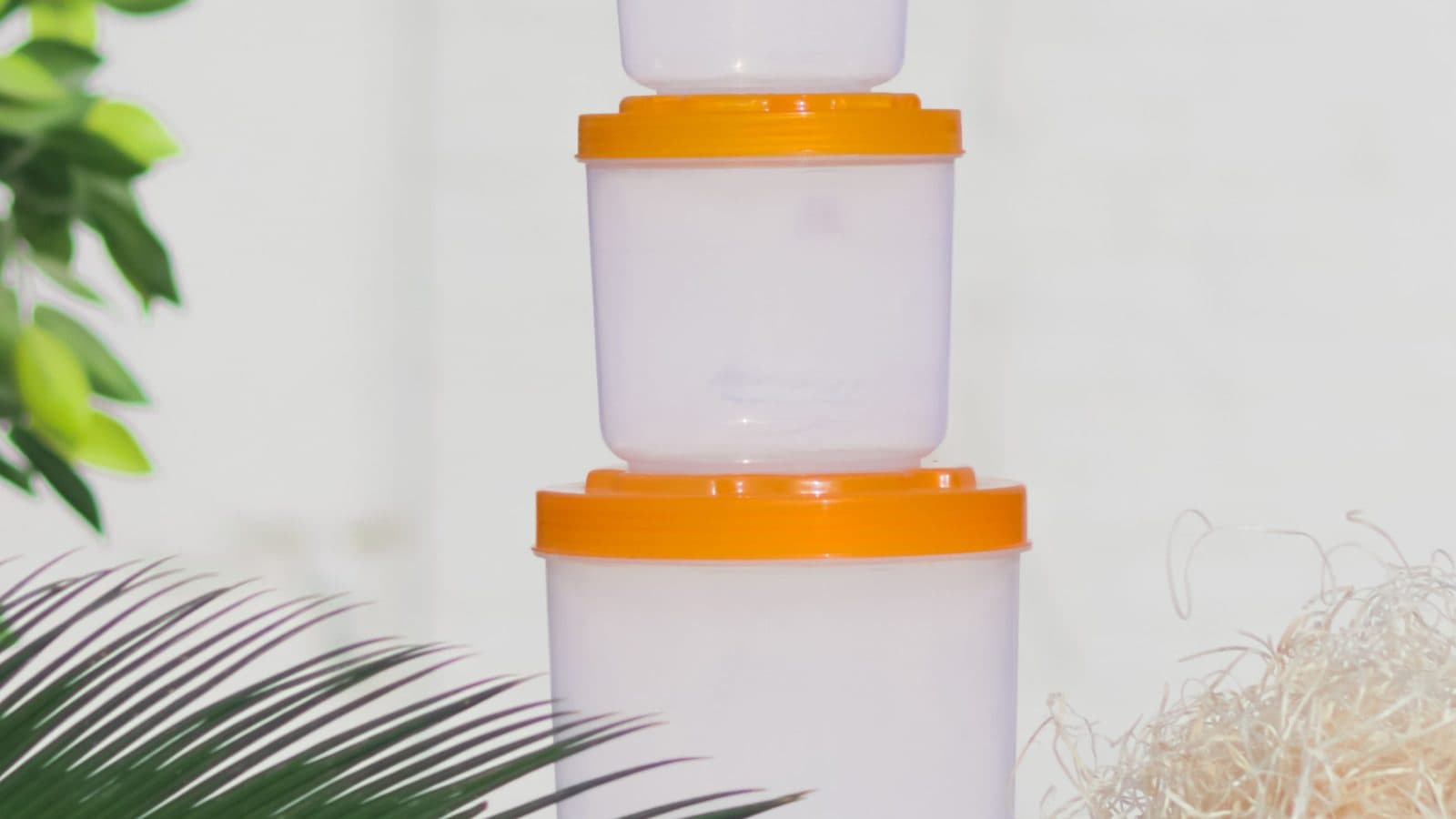
IML is used most in thin-wall food containers (yoghurt, margarine, ice cream), pails, lids and cosmetic jars. The label material is usually 50–80 µm PP; being the same material as the container, it yields mono-material, recyclable packaging.
Let us review your application. Send your container dimensions, cavity count and machine details through the quote form and we will prepare an application analysis and a preliminary quote. You can also reach us via our contact page.