Applications
Thin-wall food containers, pails and handles, lids and cups, cosmetics, industrial and turnkey lines: challenges, solution and typical parameters for every application.
What does IML bring to packaging?
The label becomes part of the product: it does not scratch, wash off or peel. The separate labelling line, adhesive and second operation disappear; being the same material as the container it yields mono-material, recyclable packaging.
The Bor4 cell completes this beside the injection machine in under a second while the mould is open.
The label becomes part of the container
Scroll to watch an IML container take shape: the printed label sits in the mould, molten plastic wraps it and the lid is labelled the same way.
- 01 / 04
The printed label
The label is printed and die-cut in advance; the robot picks it from the magazine one by one.
- 02 / 04
Wrapped in the mould
The robot places the label in the mould from the side; a static charge holds it in place and the injected plastic fuses with it.
- 03 / 04
The lid is labelled too
The same cell also places the lid label, so container and lid come out with the same look.
- 04 / 04
For the whole shelf life
The label is part of the container: it resists moisture, cold and abrasion, and no separate labelling line is needed.
- 01
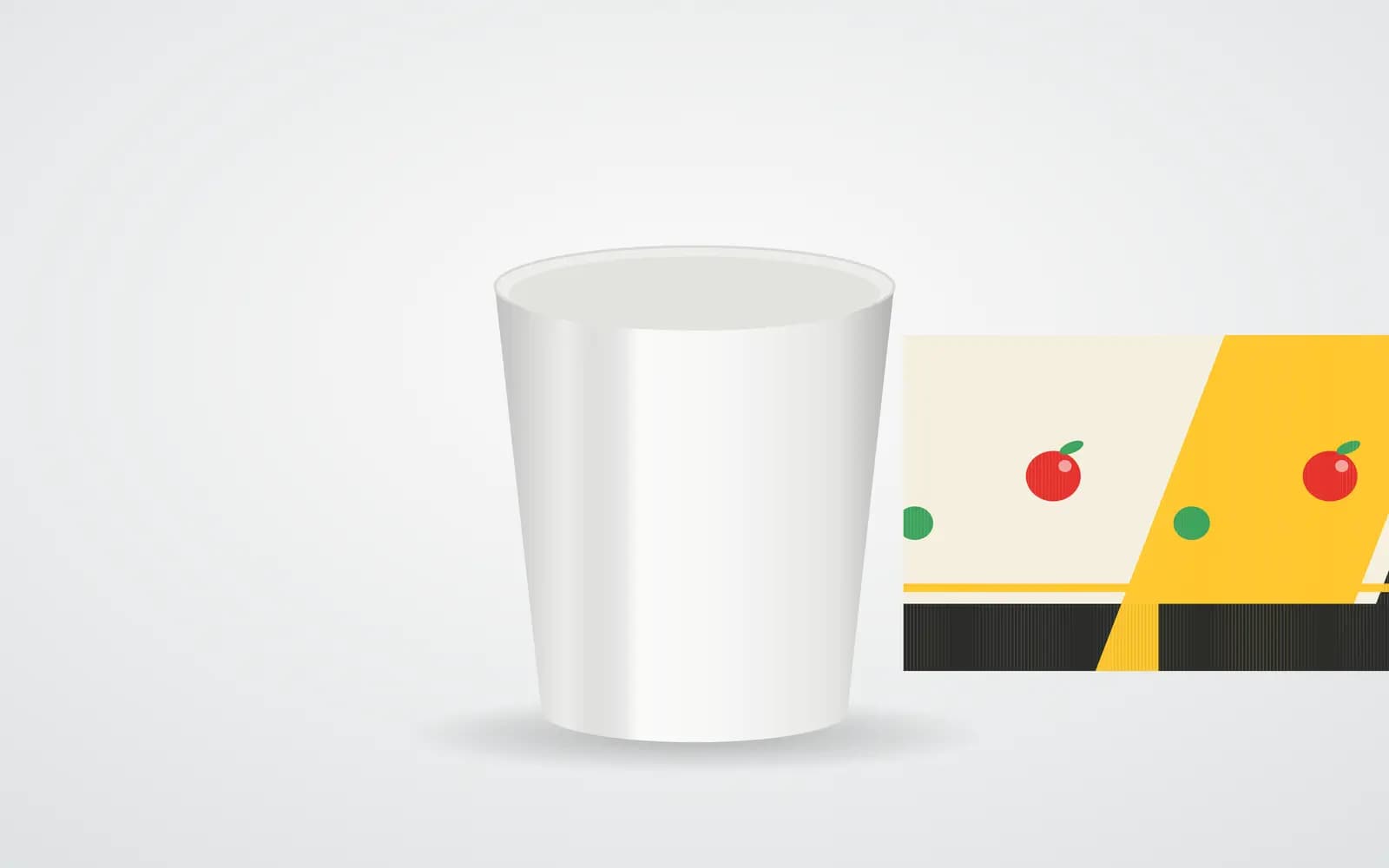
The printed label
The label is printed and die-cut in advance; the robot picks it from the magazine one by one.
- 02
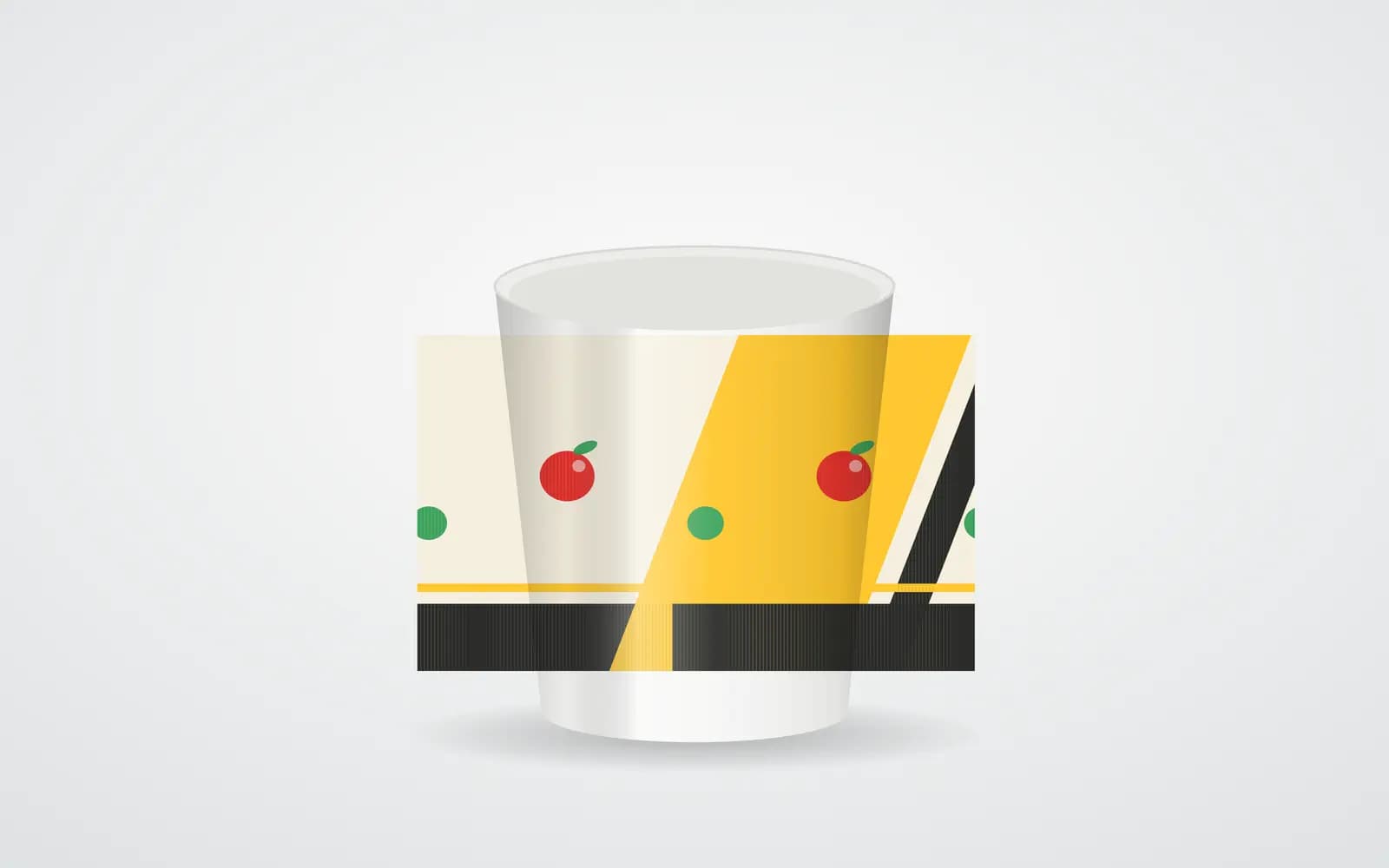
Wrapped in the mould
The robot places the label in the mould from the side; a static charge holds it in place and the injected plastic fuses with it.
- 03
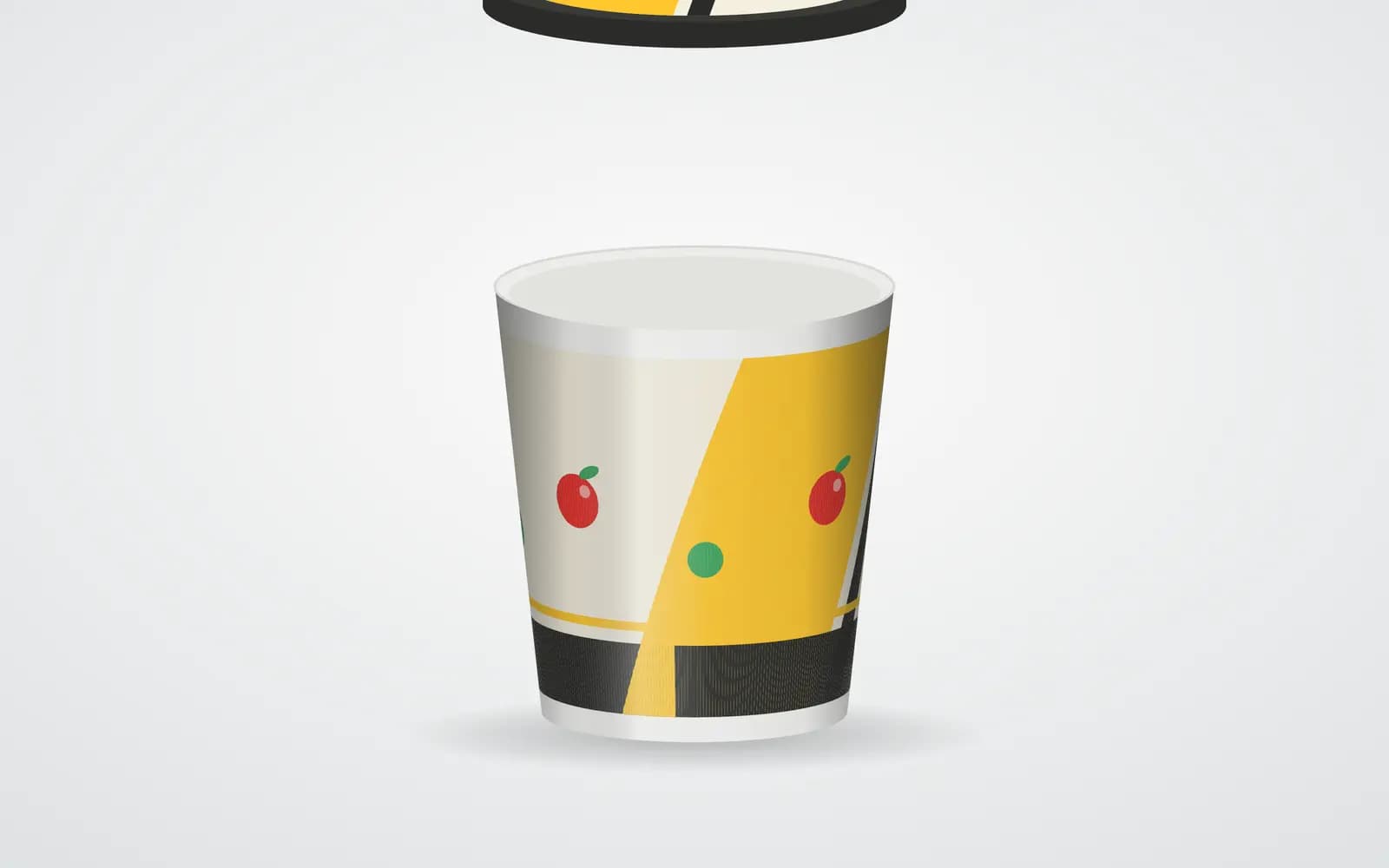
The lid is labelled too
The same cell also places the lid label, so container and lid come out with the same look.
- 04
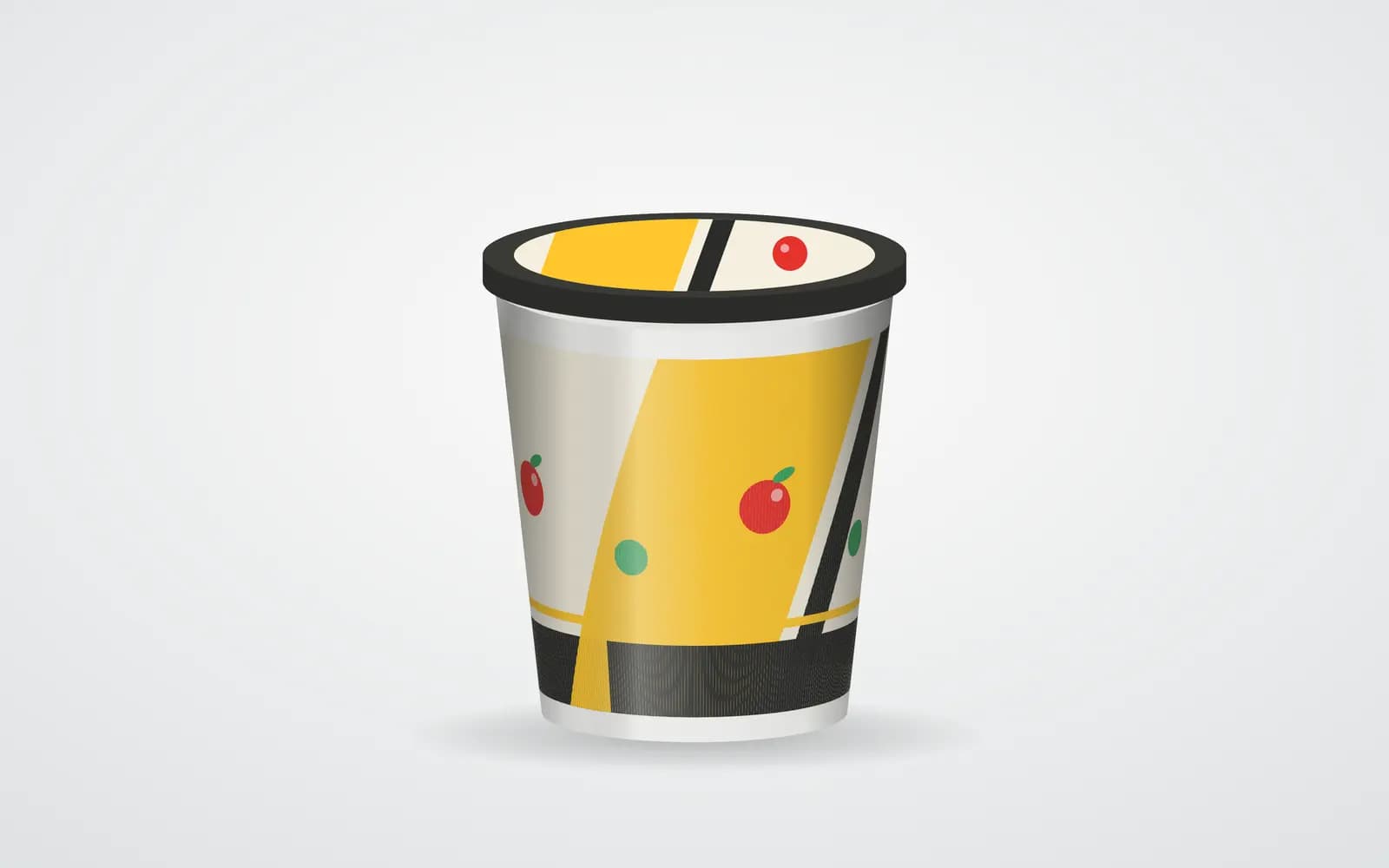
For the whole shelf life
The label is part of the container: it resists moisture, cold and abrasion, and no separate labelling line is needed.
From label to carton: a turnkey line
Robot, labelling, vision inspection, stacking and boxing on one line with one point of contact. See its typical parameters.
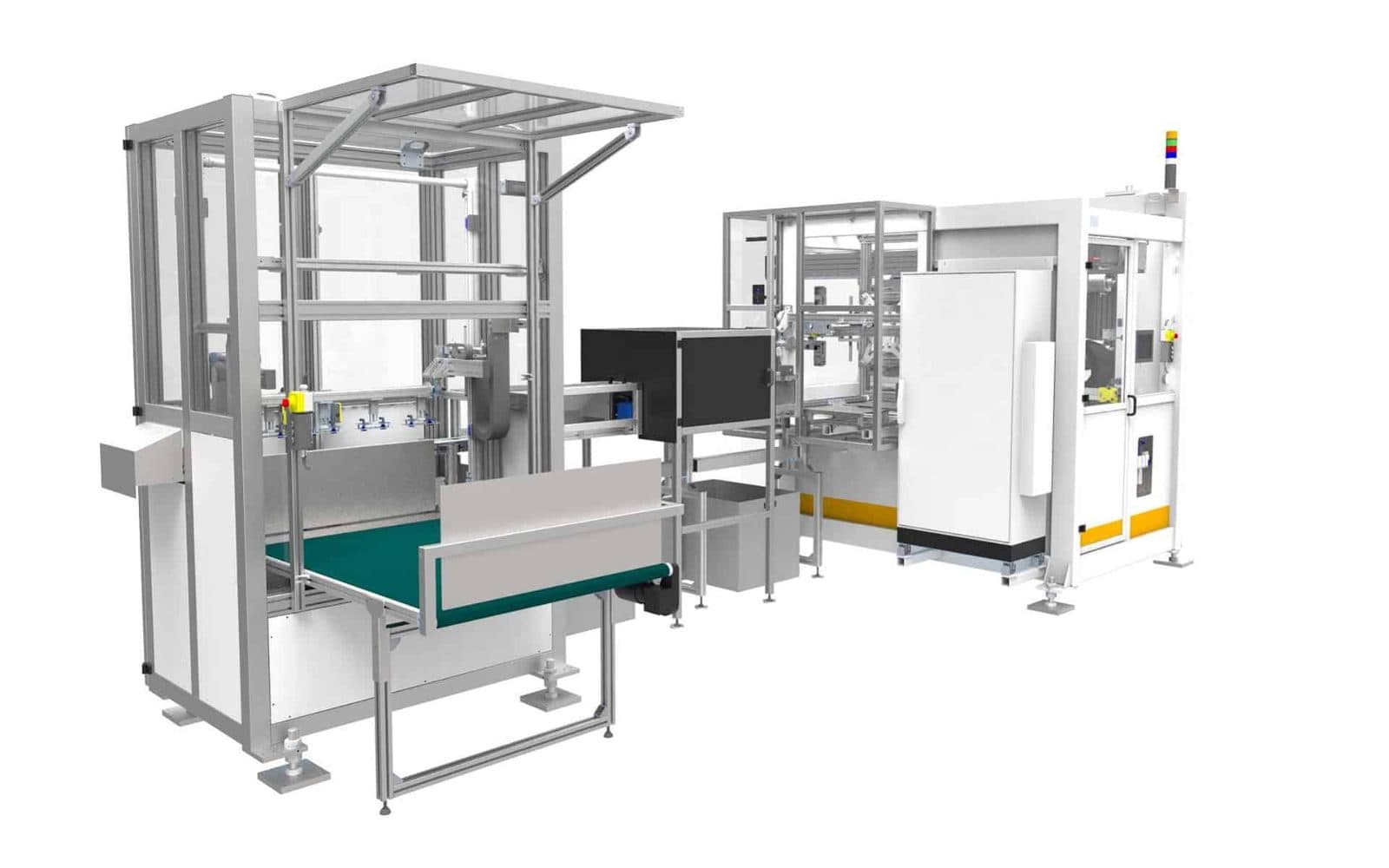
Turnkey IML Line
Typical parameters
- 80 ml – 20 LContainer volume
- 2–16Cavities
- 2.2–15sTypical cycle
- 150–700tIMM tonnage
- 12–16 weeksDelivery (line)
- TK-Line (SE + VQ + DS)Recommended robot
Part types we work with
The right wrap for every container
The container's shape decides the label cut and the robot's placing path. The five types we work with most.
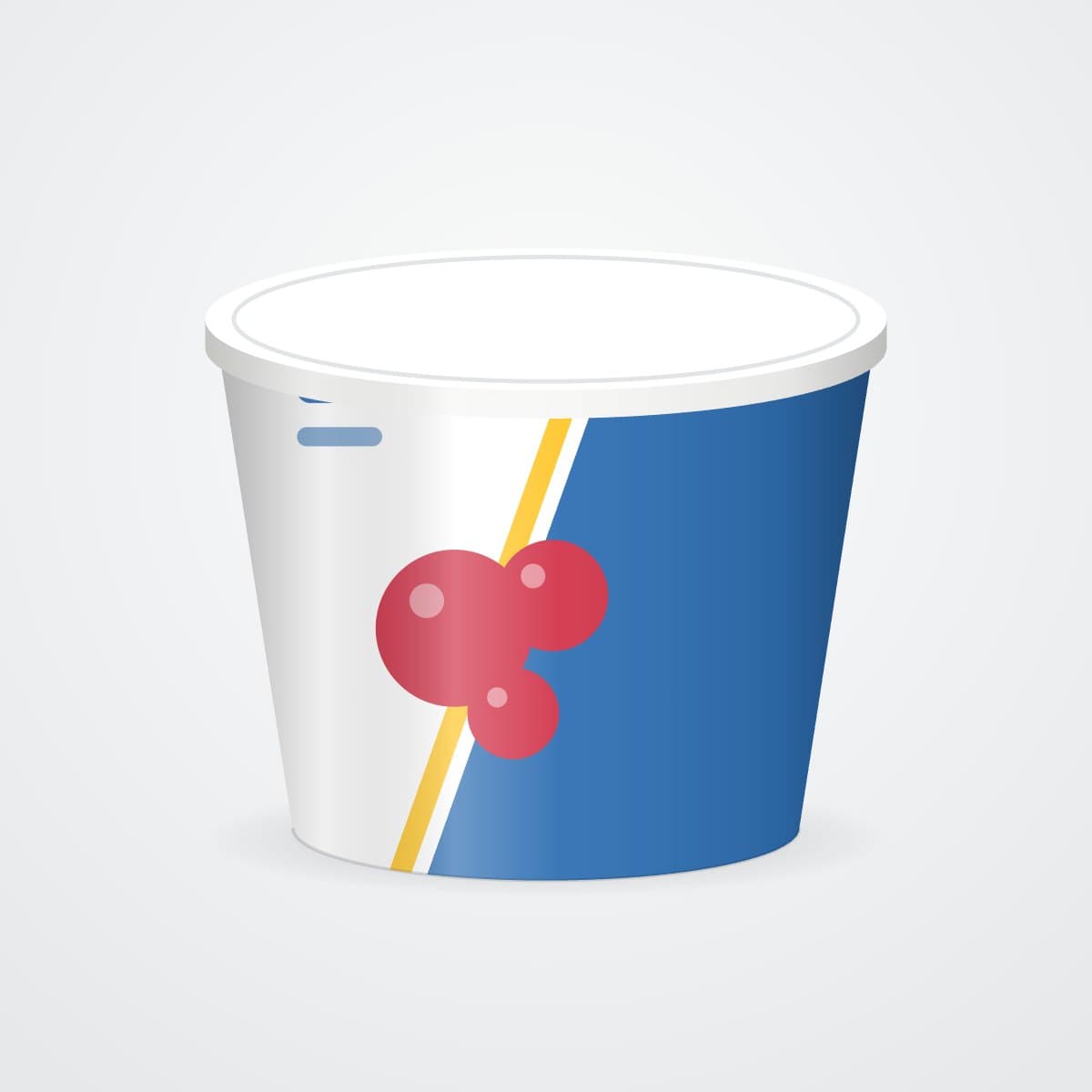
- 01· Tub
Wrap-around label
A single label around the whole body; the most common type for yoghurt, margarine and ice-cream tubs. - 02· Lid
Lid label
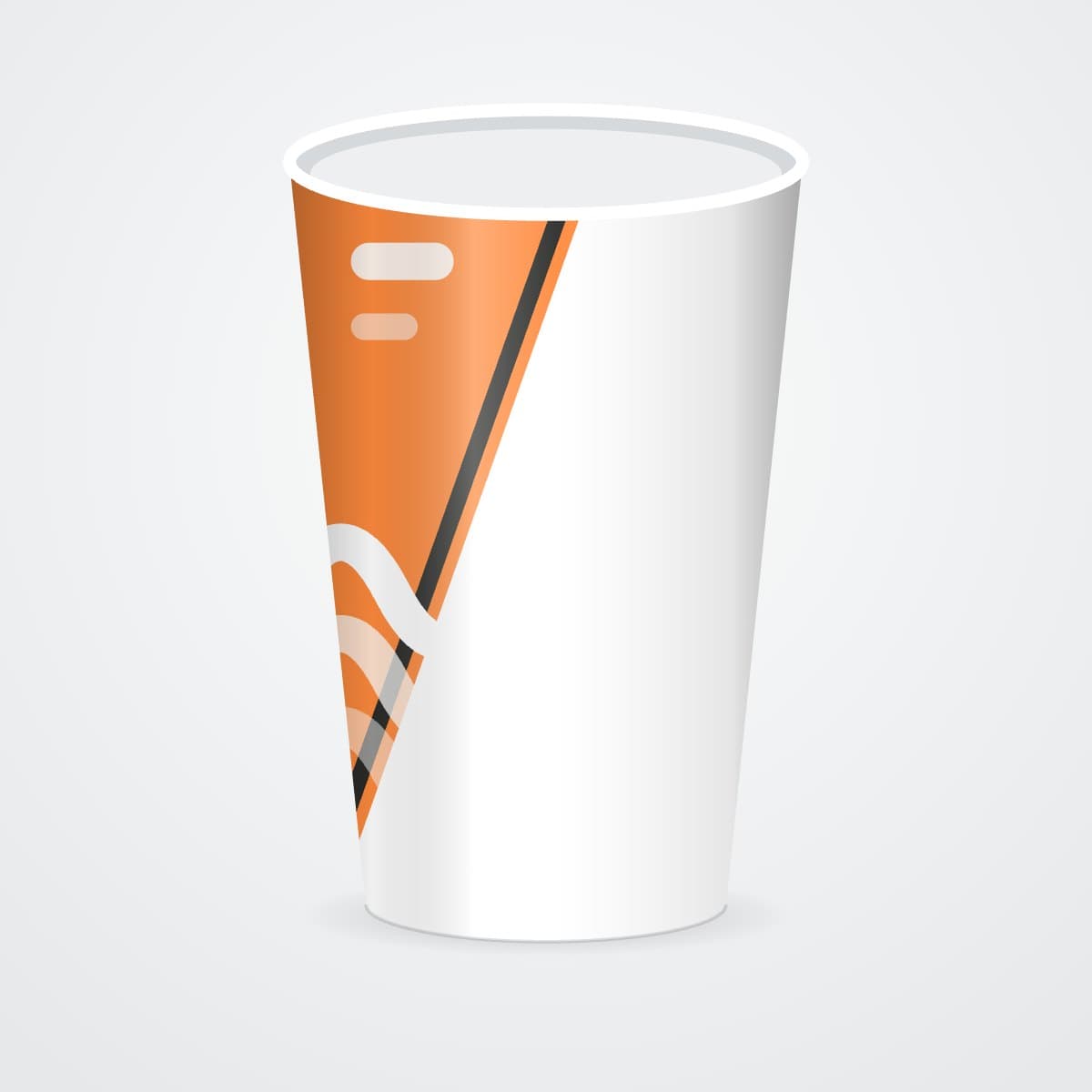
A flat label on the top of the lid, moulded in the same cycle as the lid. - 03· Cup
Tapered cup
An arc-shaped label for a tapered body; drinking and coffee cups. - 04· Tray
Bottom and wrap
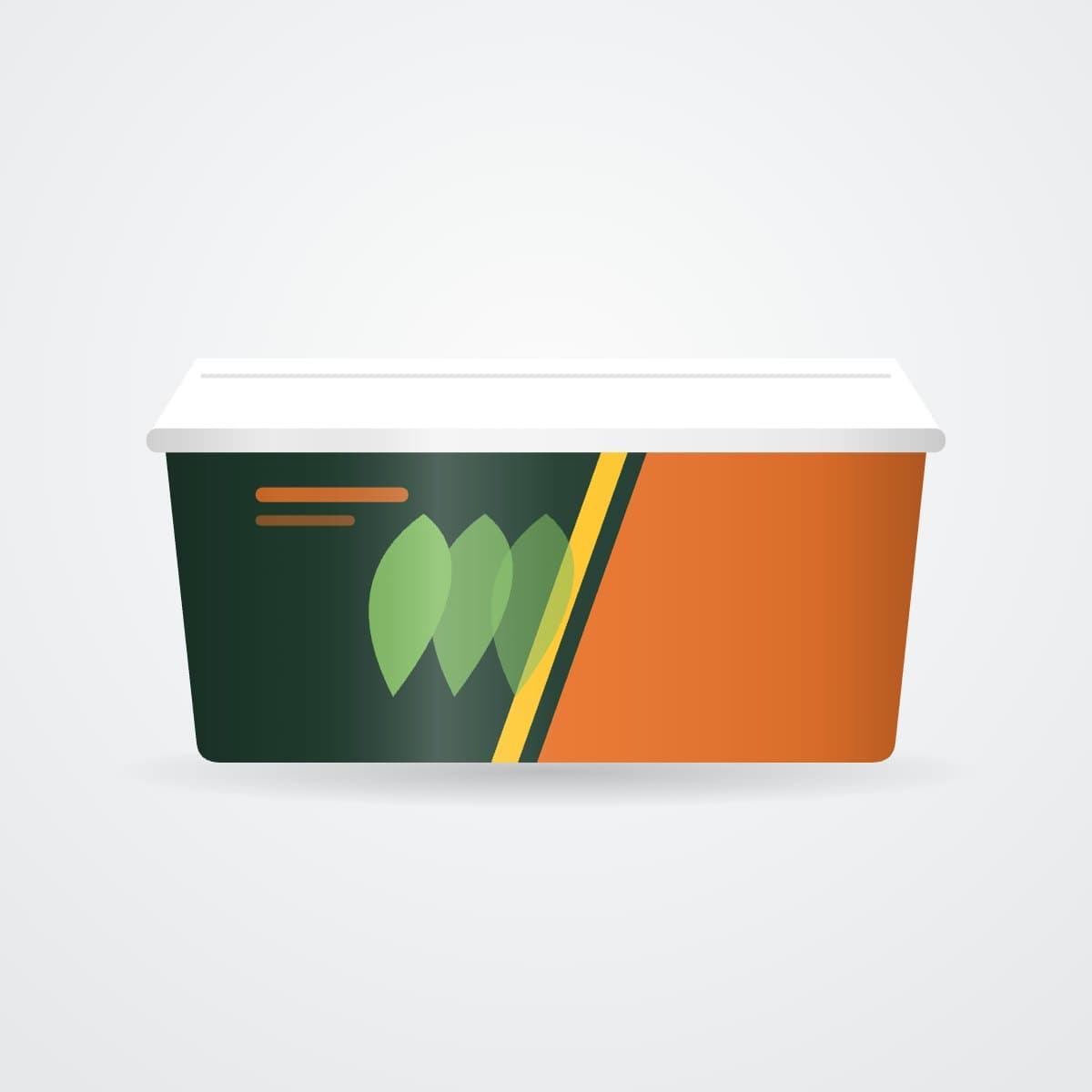
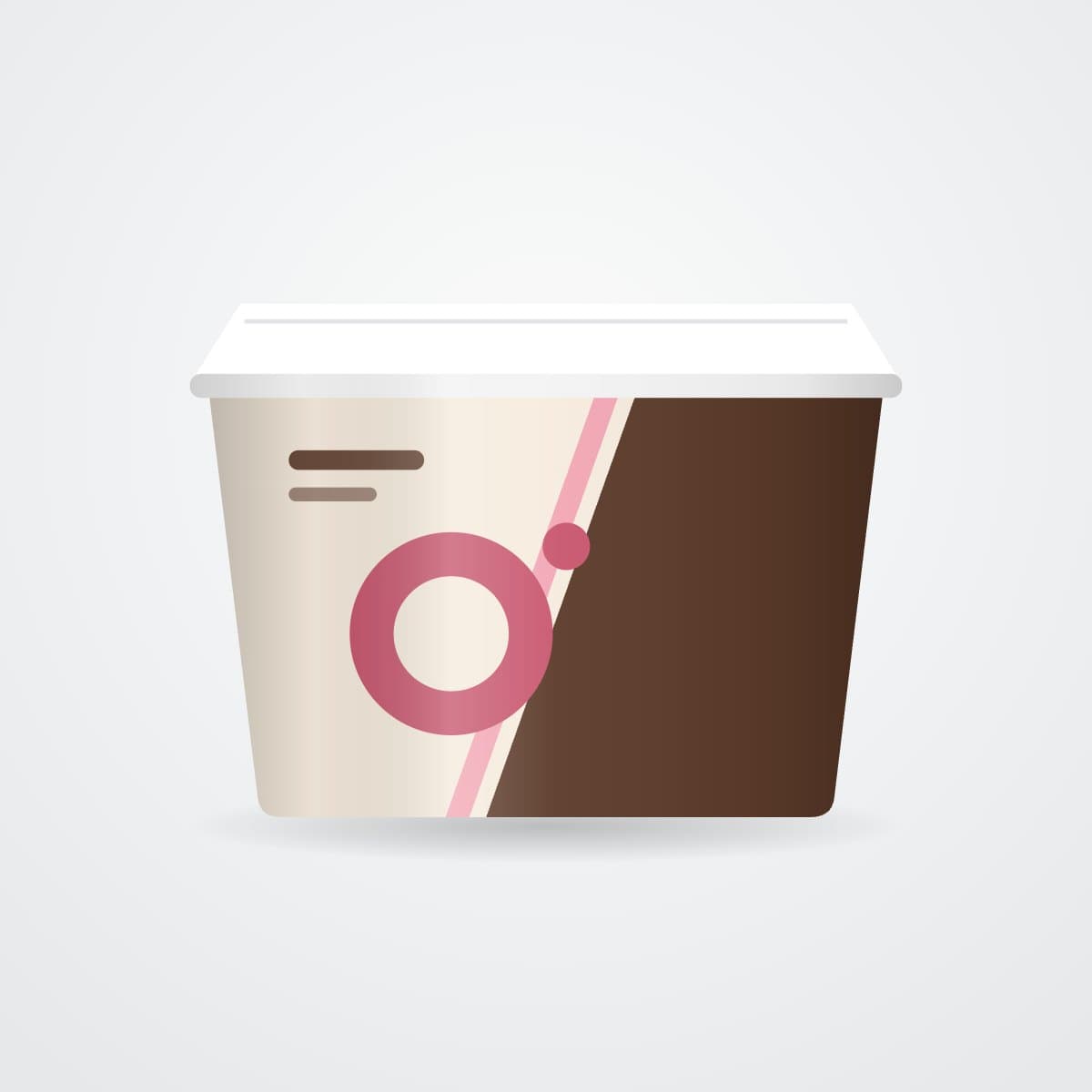
A bottom label in addition to the wrap; ready-meal trays that go from freezer to oven. - 05· Tub
Square container
One label that turns the corners of square containers; ice-cream and dessert tubs.

Describe your application; we get back within 48 hours with a preliminary quote and application analysis.
Your container, label and mould details are enough. You can also run a trial with your own mould at the İkitelli test centre.