Thin-Wall Food Containers
Yoghurt, ayran, margarine, butter, cheese and ice-cream tubs: 80–1000 ml, 4–16 cavities, 2.2–4.0 s cycles.
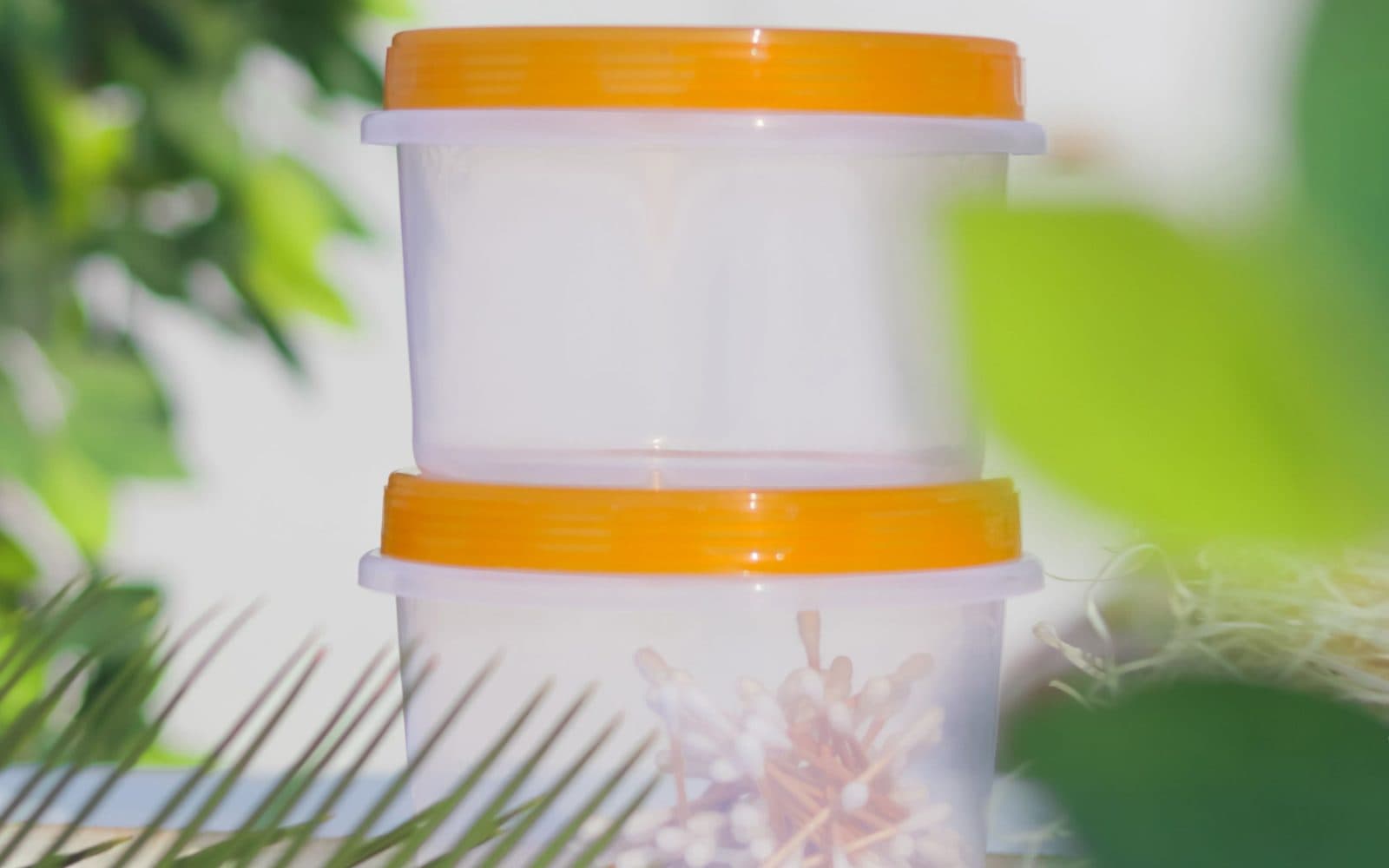
Thin-wall food containers are the most common and fastest IML application: a container with 0.35–0.5 mm wall thickness must be taken out the moment the mould opens and the new label placed in under a second. For dairy packaging producers, cycle time is unit cost.
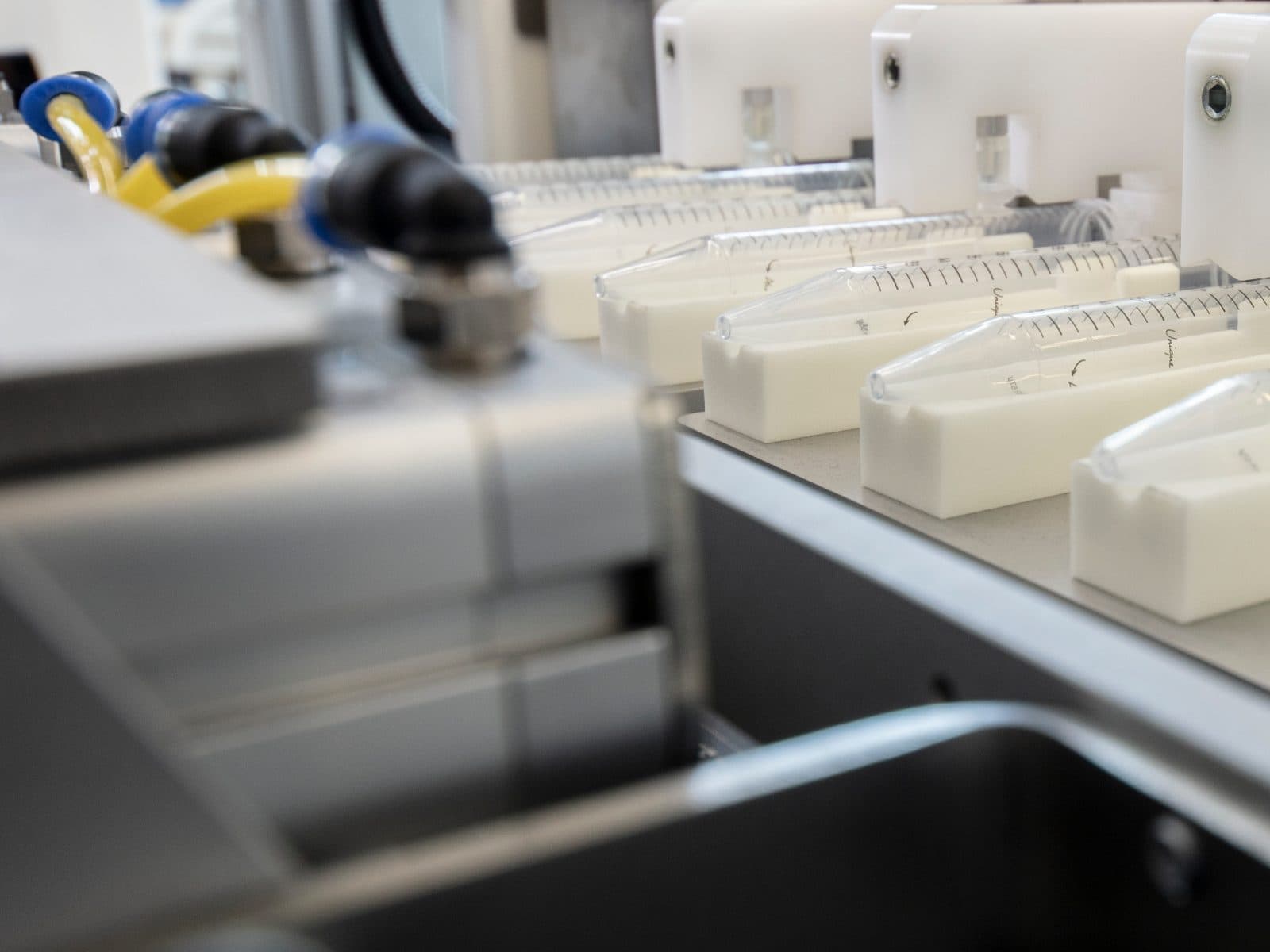
Bor4 SE-250, SE-450 and SE-Twin run 2.2–4.0 second cycles on 4–16 cavity moulds, depending on container and mould; wrap-around, 1/3/5-face and lid labels are handled in the same cell.
Challenges
- Every 0.1 second spent inside the mould means hundreds of containers per shift
- Double labels and empty cavities produce scrap and customer complaints
- Thin PP labels shift and fold without static charging
- Frequent product changes (container size, print) bring long stops
The Bor4 solution
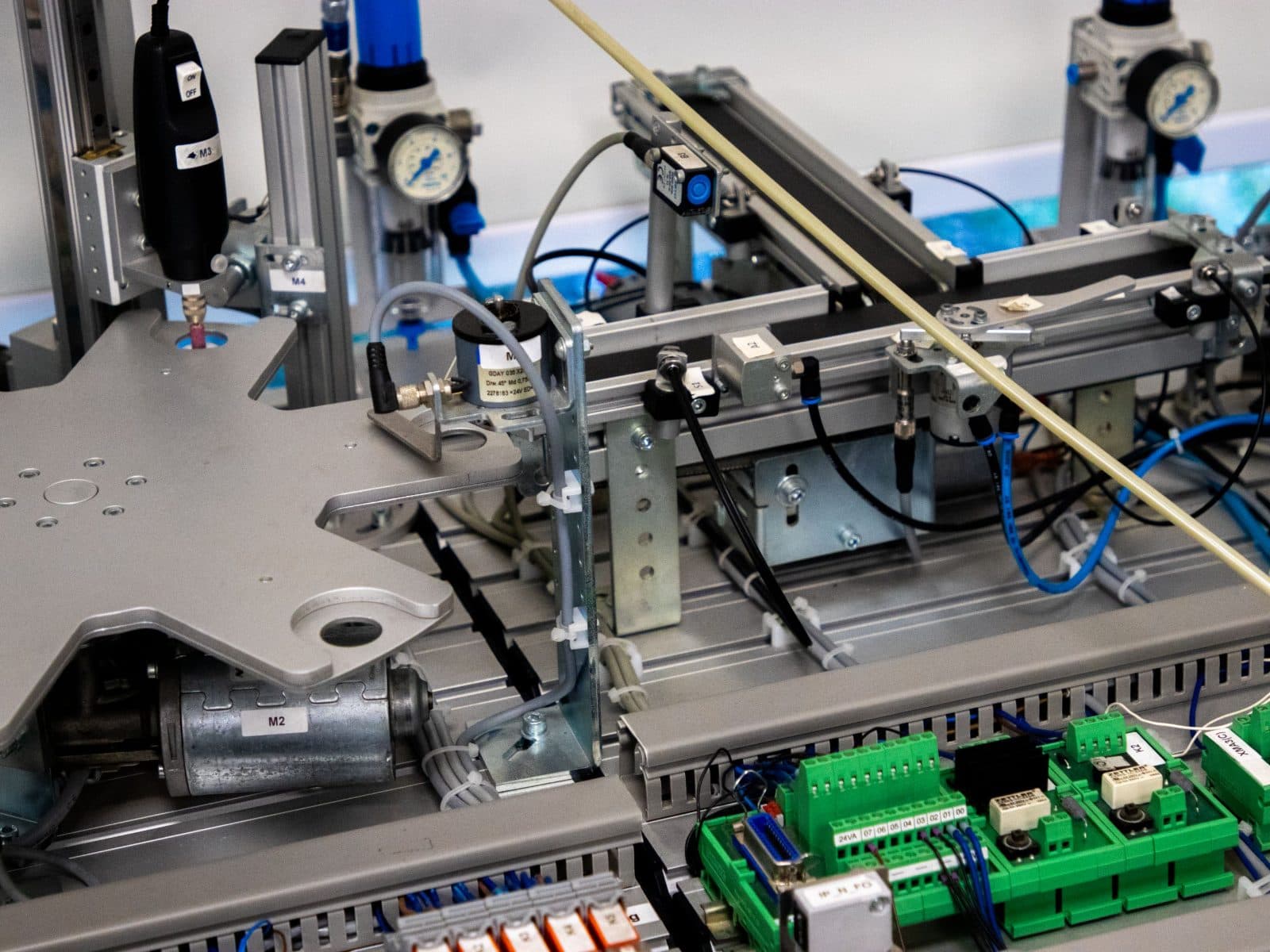
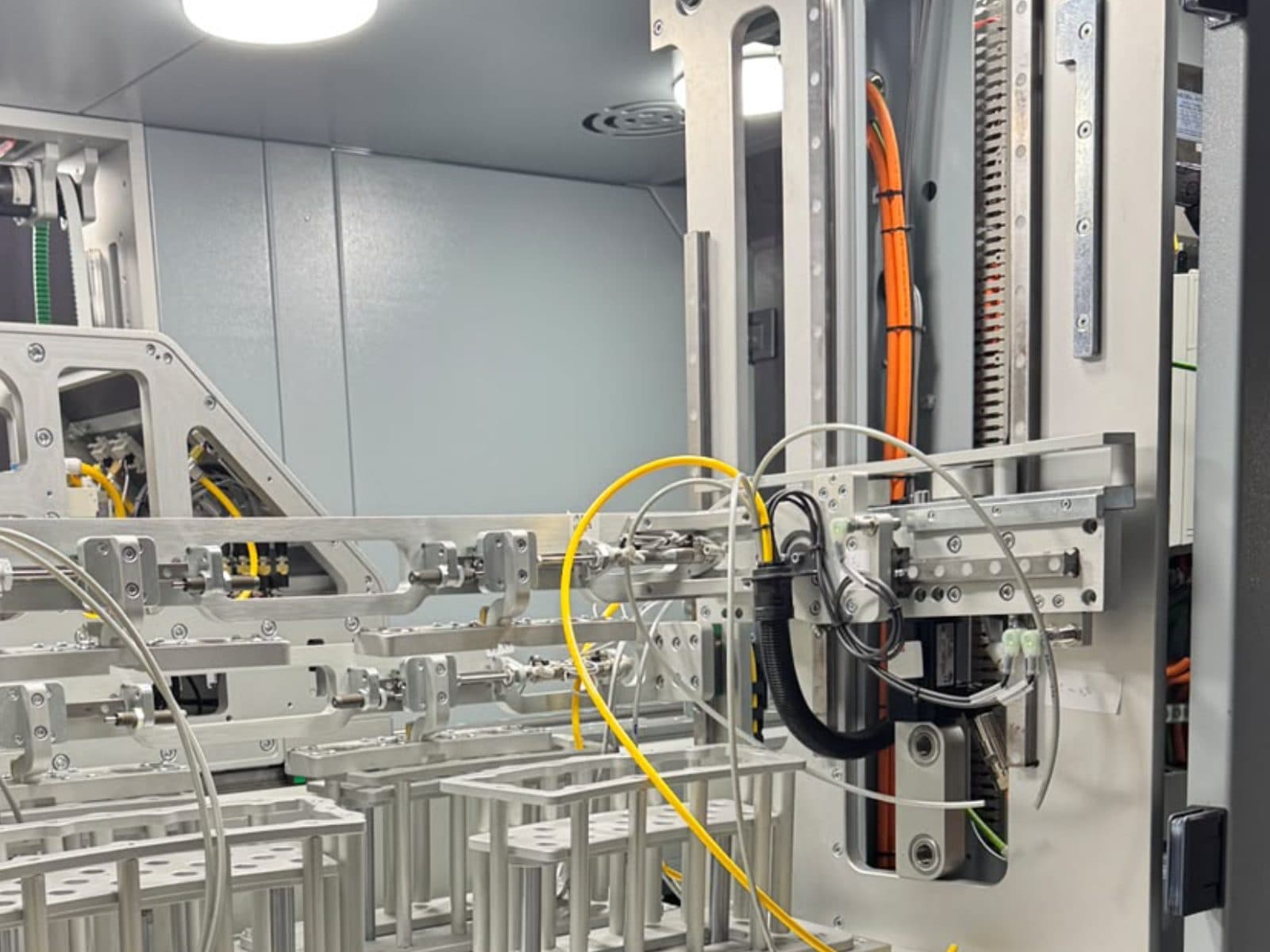
- 0.8–0.9 s mould intervention with the servo main axis
- Per-cavity vacuum monitoring and capacitive double-label sensor
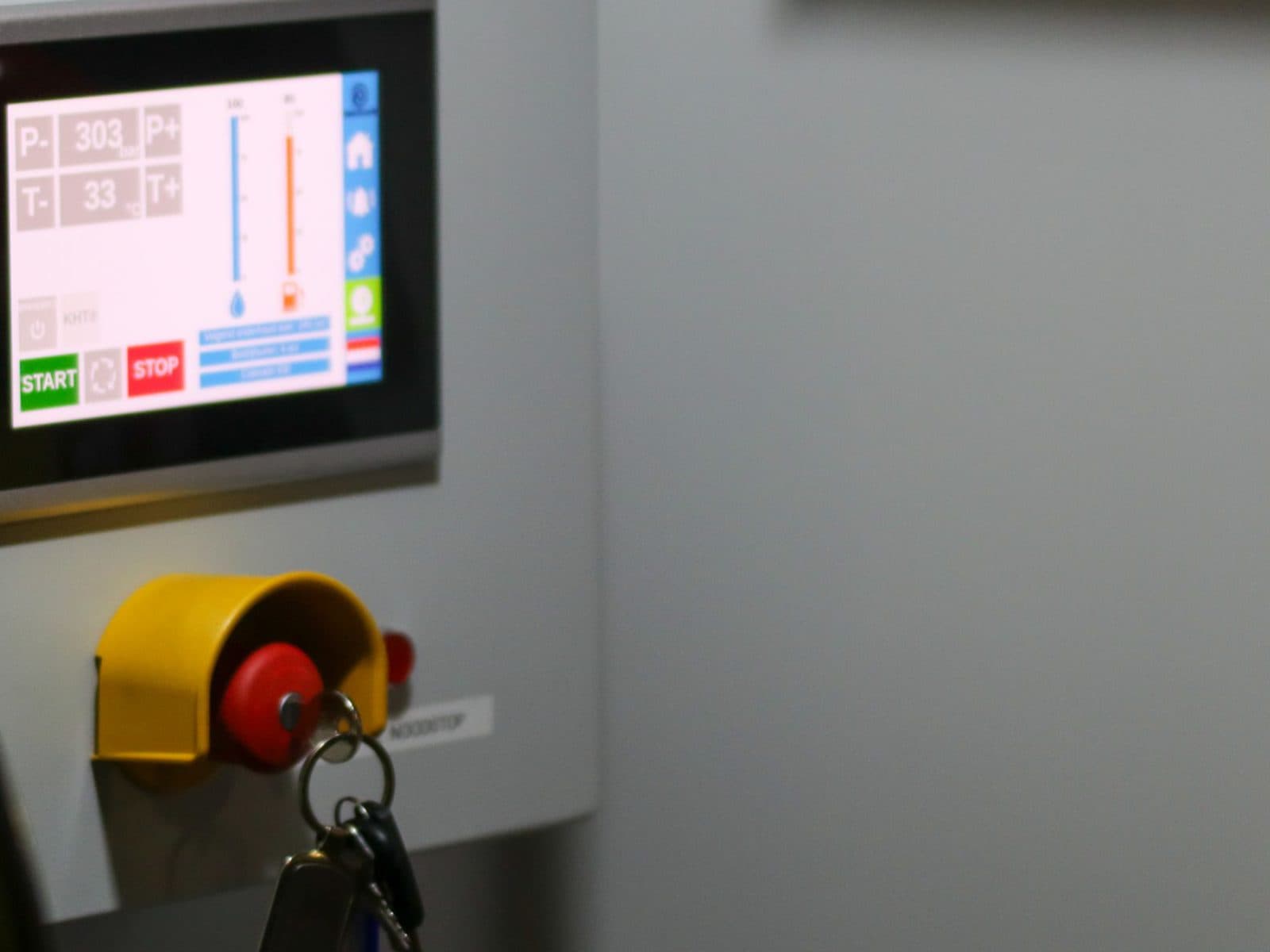
- Simco-Ion charging profile in the recipe; separate for metallic and thin labels
- Product changeover in 30 minutes with quick-connect EOAT and motorised magazine guides
- With VQ-Vision no faulty part reaches packing
Typical parameters
- 80–1000mlContainer volume
- 4–16Cavities
- 2.2–4.0sTypical cycle
- 150–500tIMM tonnage
- Wrap-around / 1-3-5 faces / lidLabel
- PPMaterial
Sample parts
Yoghurt tub 500 ml
- Cavities
- 4
- Cycle
- 3.2 s
- Label
- Full-wrap (360°) IML
- Material
- PP
Ice cream tub 1 L
- Cavities
- 4
- Cycle
- 3.8 s
- Label
- 5-sided IML
- Material
- PP
Margarine tub 250 g
- Cavities
- 8
- Cycle
- 2.8 s
- Label
- Side + bottom IML
- Material
- PP
Ready-meal container 750 ml
- Cavities
- 4
- Cycle
- 3.6 s
- Label
- Side IML
- Material
- PP
Suitable products
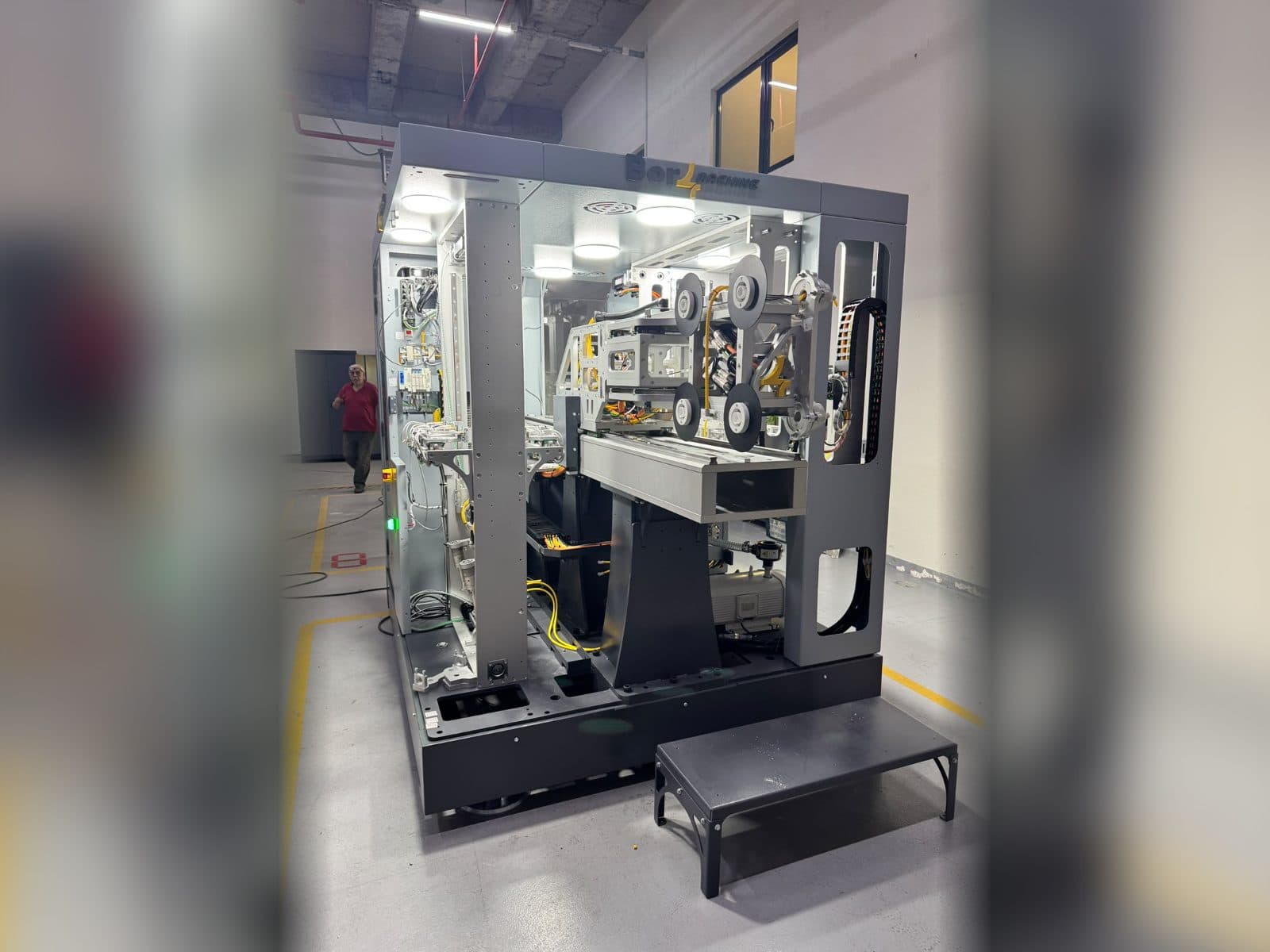 SE-250
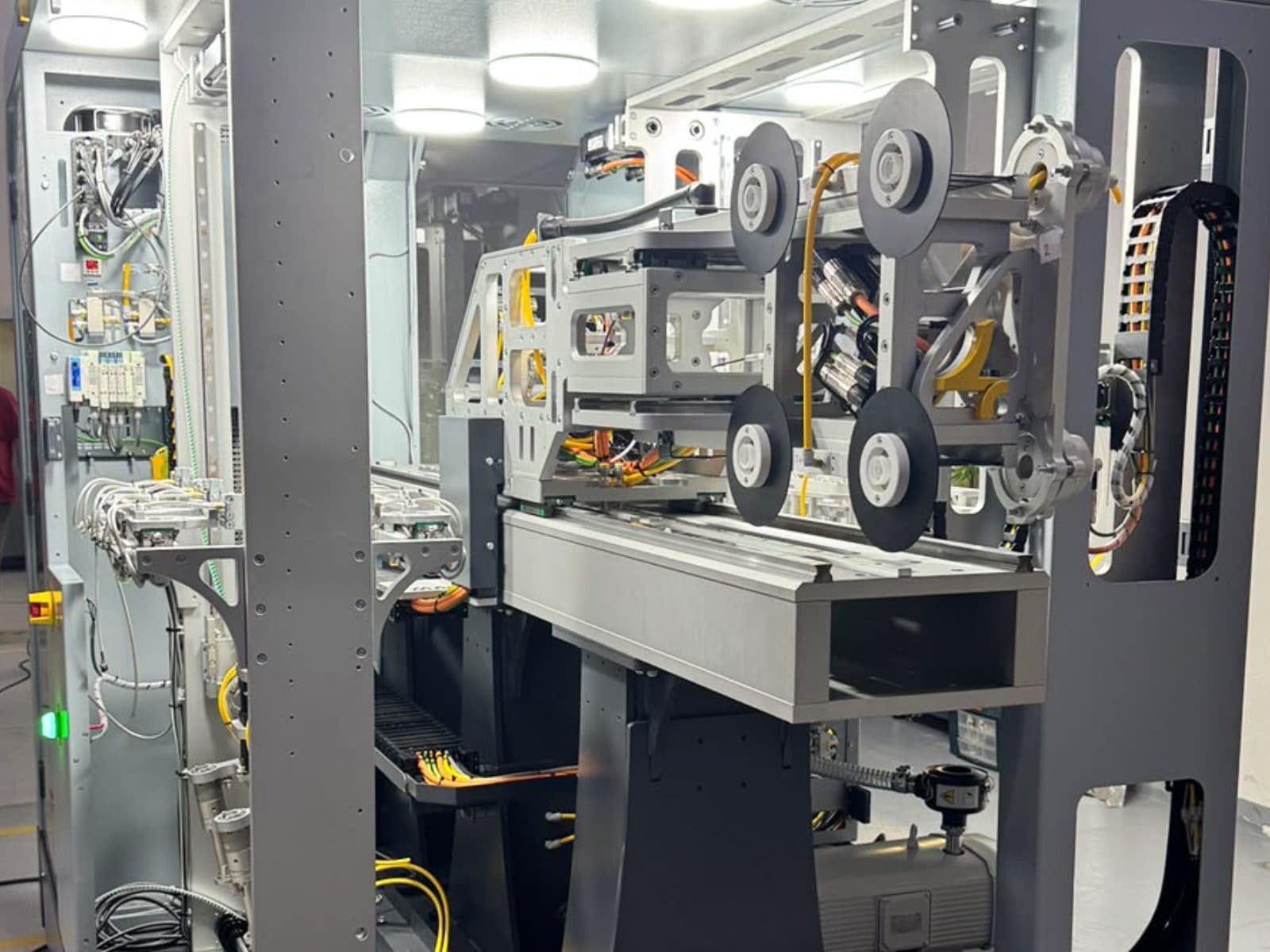
SE-250 Side-Entry IML Robot
The standard for yoghurt and margarine tubs: 2–8 cavities on 150–300 t machines, 2.4 s dry cycle.
- 2.4sDry cycle
- 0.9sIntervention
- 2–8Cavities
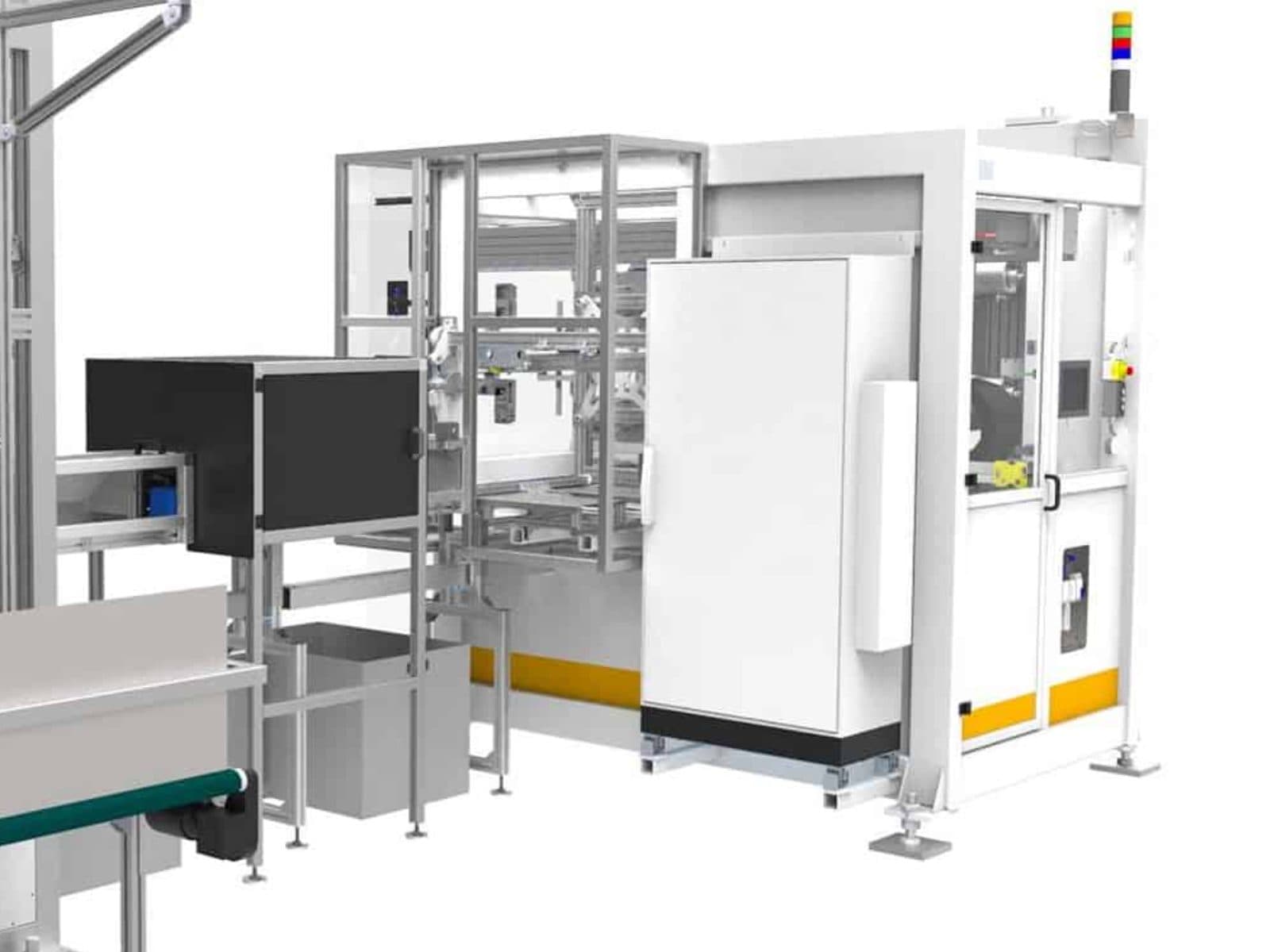 SE-450
SE-450 Side-Entry IML Robot
The workhorse of high-cavity lines: 4–16 cavities on 300–500 t machines, 2.2 s dry cycle, double stacking.
- 2.2sDry cycle
- 0.8sIntervention
- 4–16Cavities
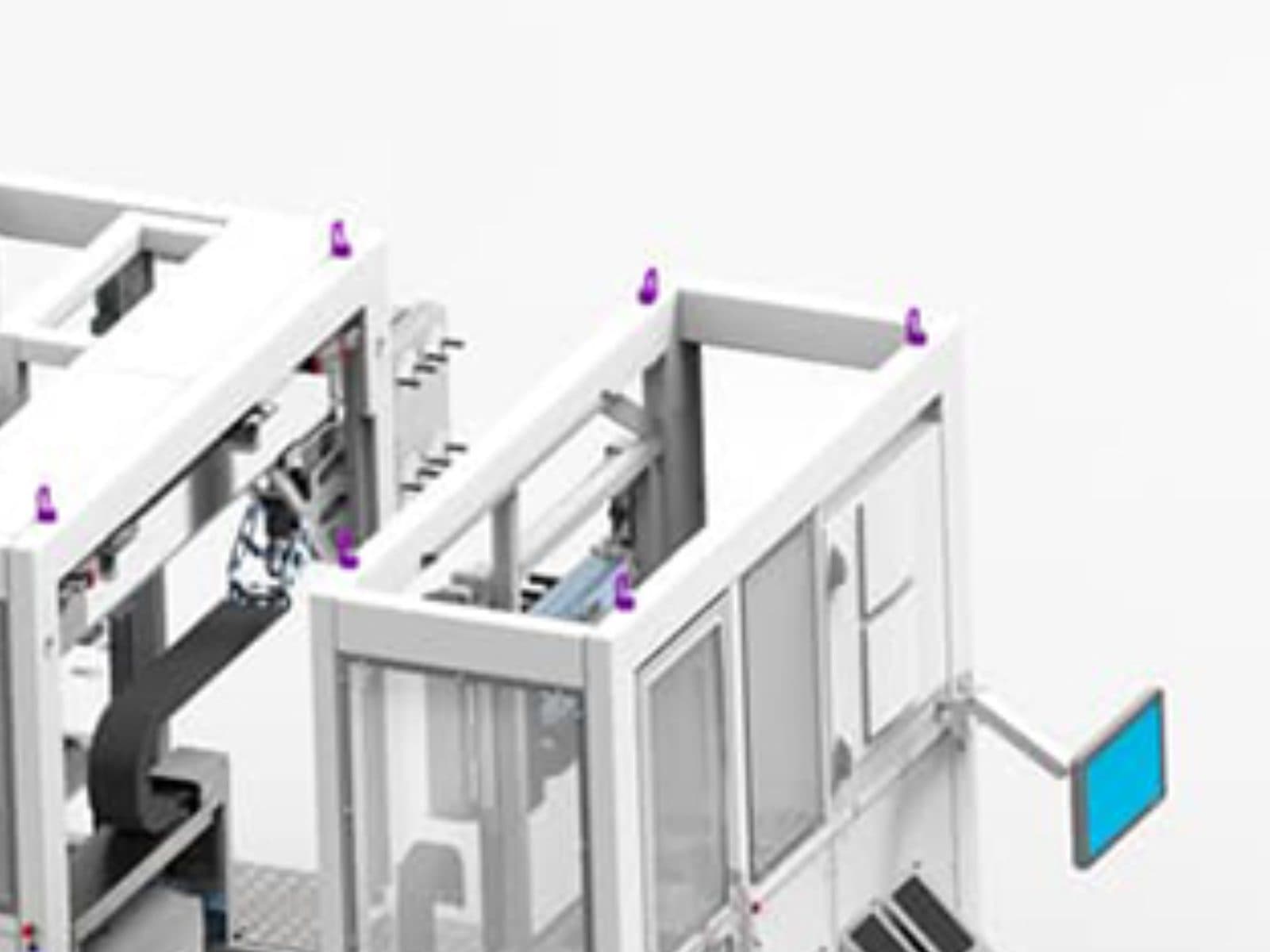 SE-Twin
SE-Twin Stack-Mould IML Robot
For stack moulds: 2×6 and 2×8 cavities, double-sided plate, both mould faces in a single entry.
- 2.6sDry cycle
- 1.0sIntervention
- 2×6 / 2×8Cavities
 LM-8
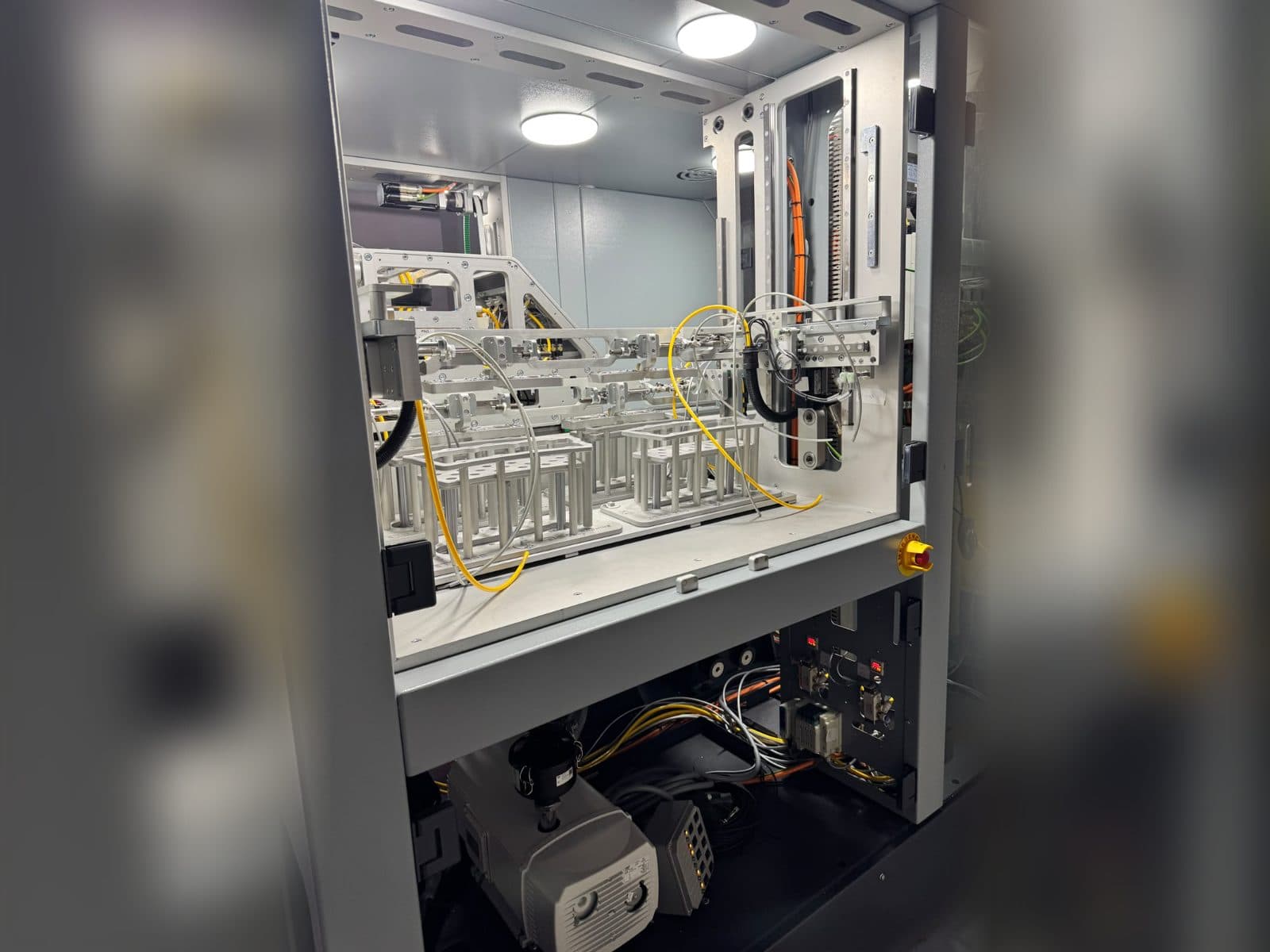
LM-8LM-8 Label Magazine
Eight-station magazine: 800 labels per cassette, two units side by side for 16 cavities.
- 8Stations
- 800labels/cassetteCapacity
- 4–16Cavities
 ES-Charge
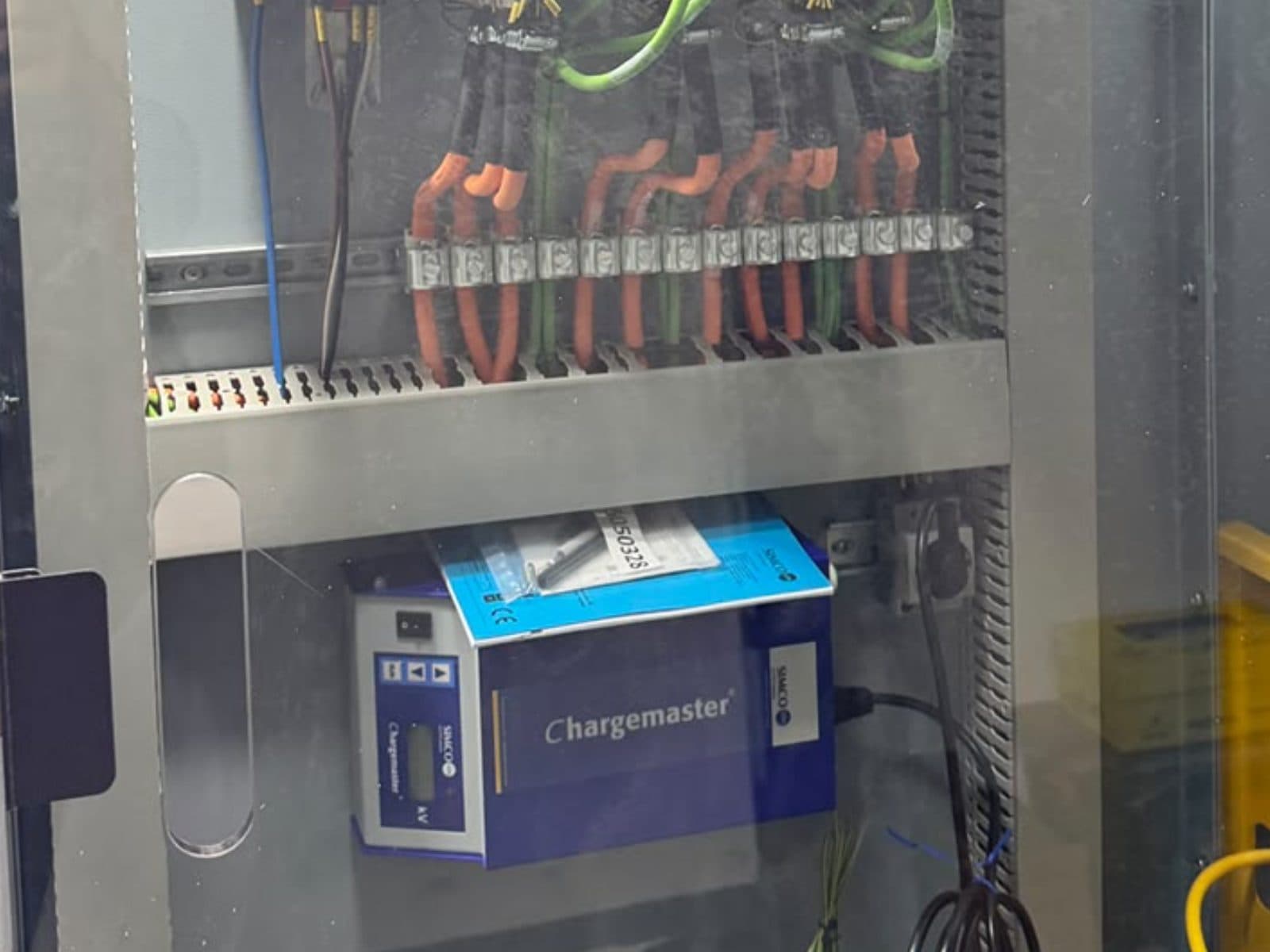
ES-Charge Electrostatic Charging Unit
Simco-Ion based charging unit: the label holds to the mould wall, vacuum stays only for transfer.
- 0–30kVCharging
- <0.3sCharging time
 VQ-Vision
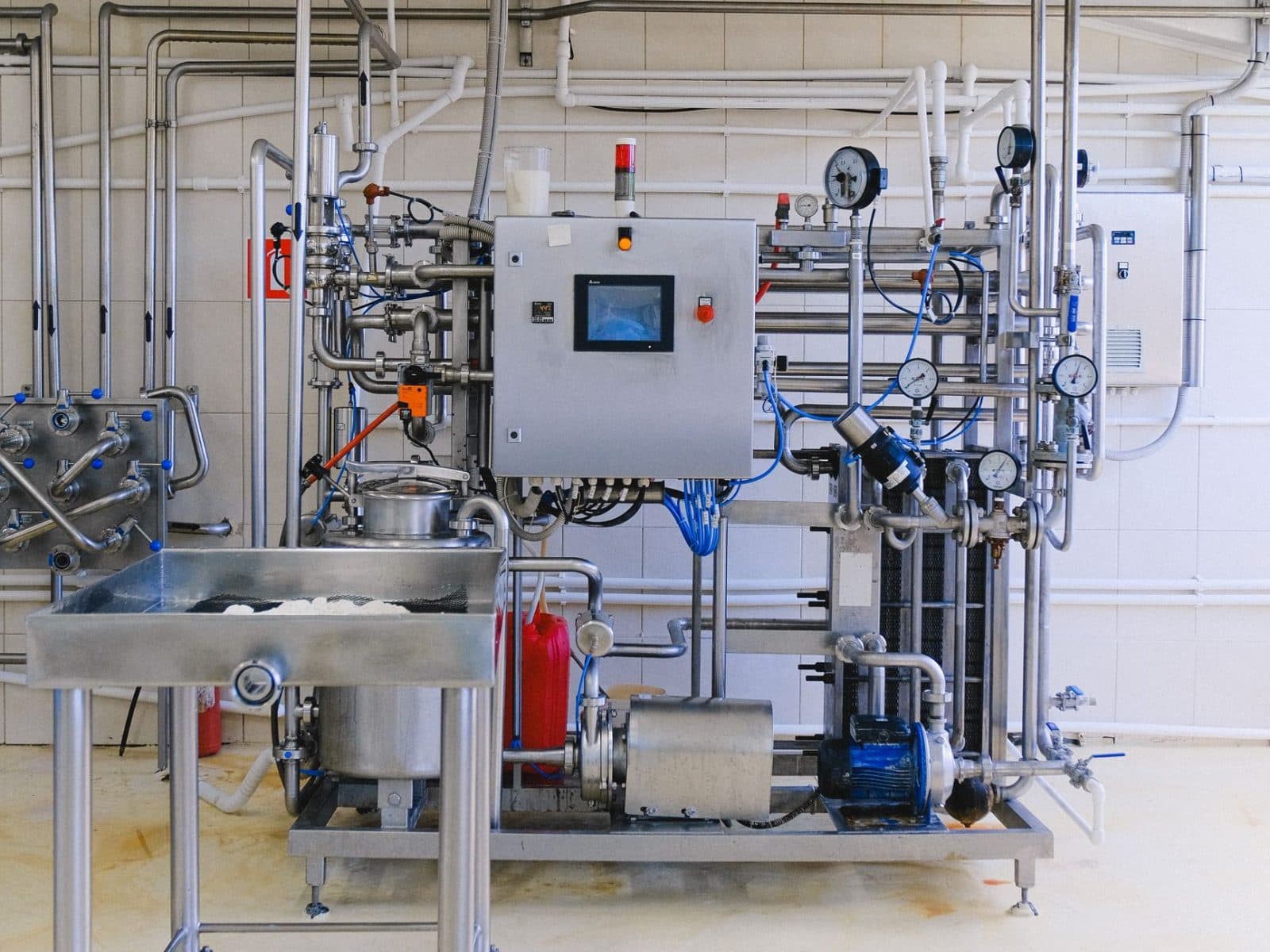
VQ-Vision Label Quality Inspection System
Dual-camera inspection: label presence, position, rotation, print, seam and code reading; automatic reject and statistics.
- 2Cameras
- ≤ 300pcs/minInspection rate
- 20msDecision time
Case studies
4-cavity ice-cream tub: faulty labels 0.9% → 0.05%
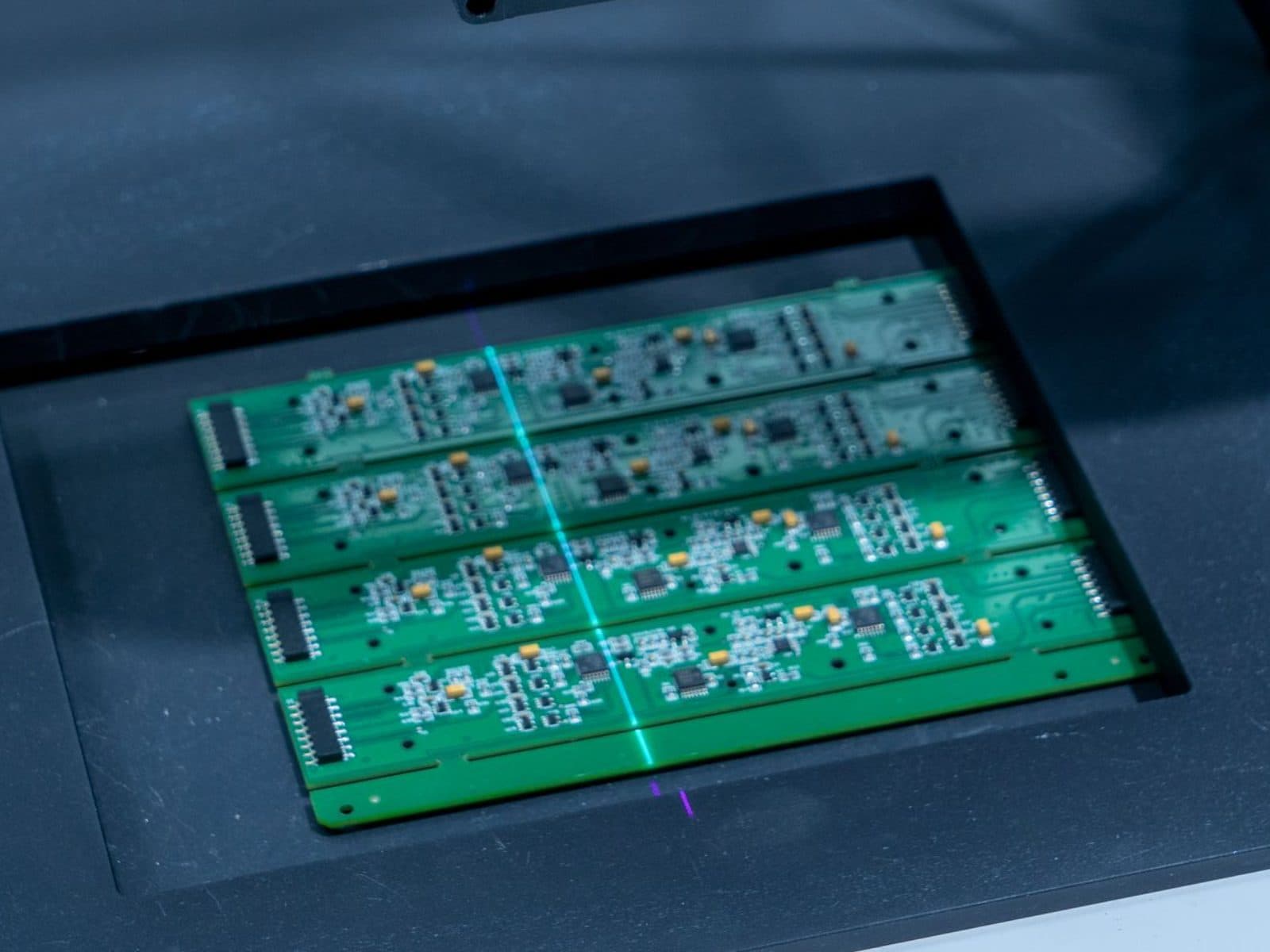
VQ-Vision was added to an existing SE-250 line; tubs with faulty labels were separated before packing and no case has been returned since commissioning.
0.9%→0.05%Continue readingFaulty labels
8-cavity 150 g yoghurt tub: cycle 3.1 → 2.6 s
The old top-entry robot on a 380 t machine was replaced with an SE-450; scrap fell from 1.8% to 0.4% and about 1,800 more tubs per hour are produced.
3.1→2.6sContinue readingCycle
Frequently asked questions
Free application analysis
Share your container, label and mould details; we will get back within 48 hours with a cycle and investment projection.